
From Data to Governance: How AI Is Shaping Smarter Cities
What does it take to make urban infrastructure truly connected and responsive?
Conversations around smart governance and digital urban ecosystems highlighted a key shift: cities are moving beyond data collection toward AI-powered analytics and coordinated public services.
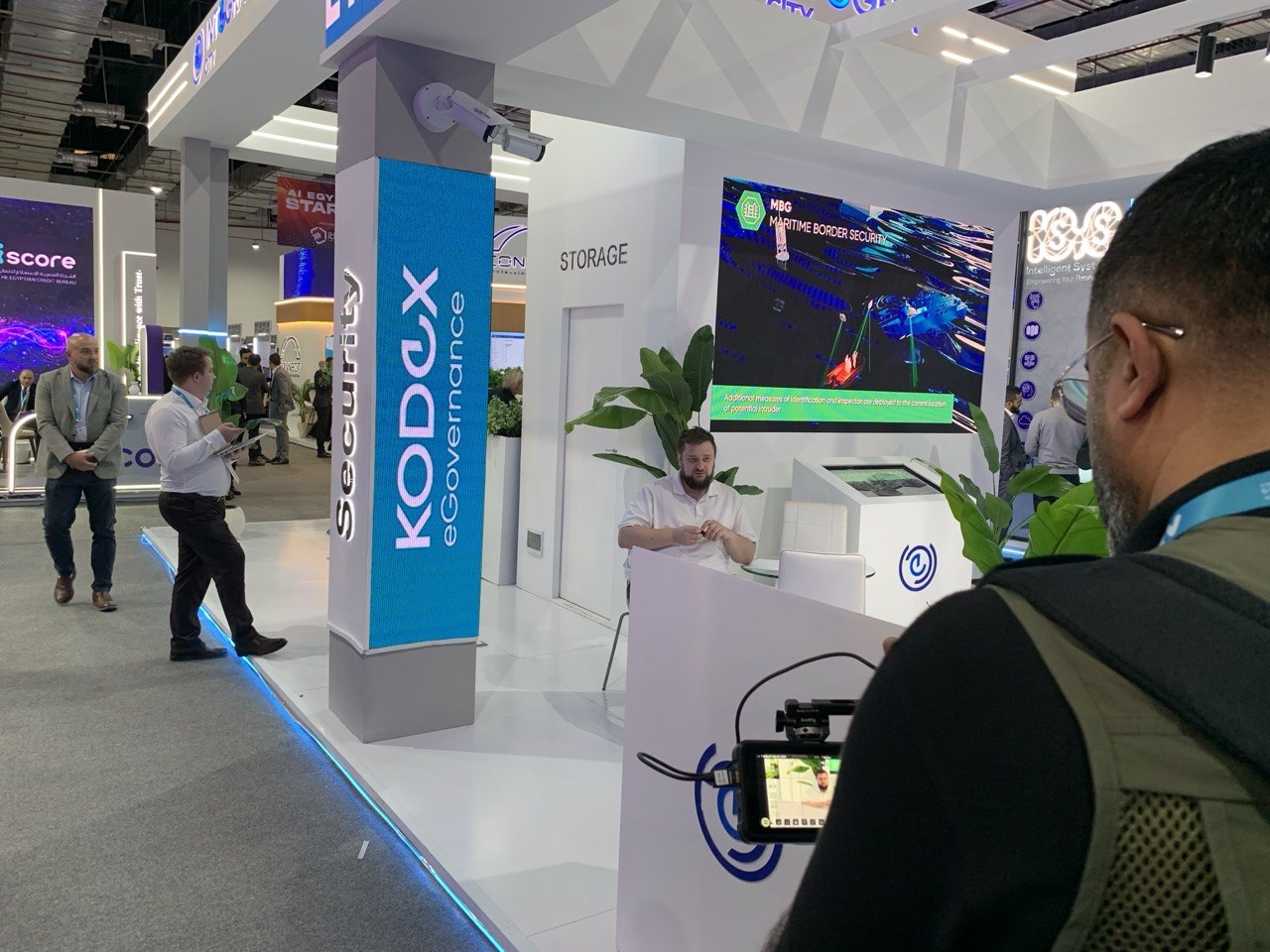
In an interview featured by TECHx Media Ilya Belyakov, CTO of Integra City, shared how unified digital platforms help governments integrate infrastructure systems, strengthen public safety, and enable faster, more informed operational decisions.
As urban environments grow more complex, the ability to connect data, platforms, and analytics into a single ecosystem is becoming essential for building resilient, efficient, and citizen-focused cities.
Watch the full interview at TECHx Media – English Official

Smart city technology company Integra City says governments need to better protect surveillance systems
Smart city technology company Integra City says governments need to better protect surveillance systems and build their own AI infrastructure as cyber threats grow and countries try to rely less on foreign tech.
Ilya Belyakov, Chief Technology Officer at Integra City, said the company works on “solutions for smart, safe cities and governments,” especially border security and protecting critical infrastructure.
“Our flagship solution for safe cities is Nexus,” he said. “It is a combination of infrastructure, hardware, and software that allows us to create a ‘safe zone’ protected against external attacks.”
Growing fears over surveillance hacks
Belyakov said recent global incidents show how vulnerable surveillance systems can be.
“If you have been following the news recently, you will see a lot of information regarding these breaches,” he said. “For instance, in Iran, the surveillance system was hacked, allowing outside actors to monitor everything happening on the ground.”
He said these incidents are becoming more common.
“Protecting your own surveillance network is key to maintaining certainty against potential attacks and destabilisation.”
The company develops security tools designed to stop attacks on surveillance networks, which it sees as part of critical infrastructure.
Countries want more control over AI
Integra City says many countries still depend on foreign companies for AI and smart city technology.
“Many leading countries develop their own internal solutions and sell them globally, which essentially makes you dependent on their technology,” Belyakov said.
The company promotes building local AI data centres so governments can control their own systems and data instead of relying on outside providers.
Running AI on older hardware
Integra City also promotes a tool that reduces how much computing power AI systems need through a process called neural network quantisation.
“This technology significantly reduces the load on a data centre without losing any quality,” Belyakov said. “You don’t need equipment that just came out of the oven five minutes ago. You can take hardware released five years ago and it will still run these models perfectly.”
This method reduces the size of AI models and lets older computers run advanced tasks like facial recognition or traffic analysis. The company says this can cut costs and reduce electronic waste.
Morocco’s smart city push
Morocco is speeding up its digital plans under the Digital Morocco 2030 strategy.
Rabat is installing more than 4,000 smart cameras that use AI to read licence plates and detect suspicious behaviour. The focus on security is also linked to preparations for the 2030 FIFA World Cup.
Worldwide, ransomware attacks on infrastructure such as water systems and traffic networks have increased in early 2026, raising concerns about the safety of connected city systems.
In March 2025, Morocco’s National Commission for the Protection of Personal Data began hearings to regulate facial recognition technology, showing the growing debate over privacy and security.
Integra City says its Nexus platform connects cameras, sensors, traffic systems and emergency services into one secure system designed to create a protected “safe zone” for cities.
Integra City
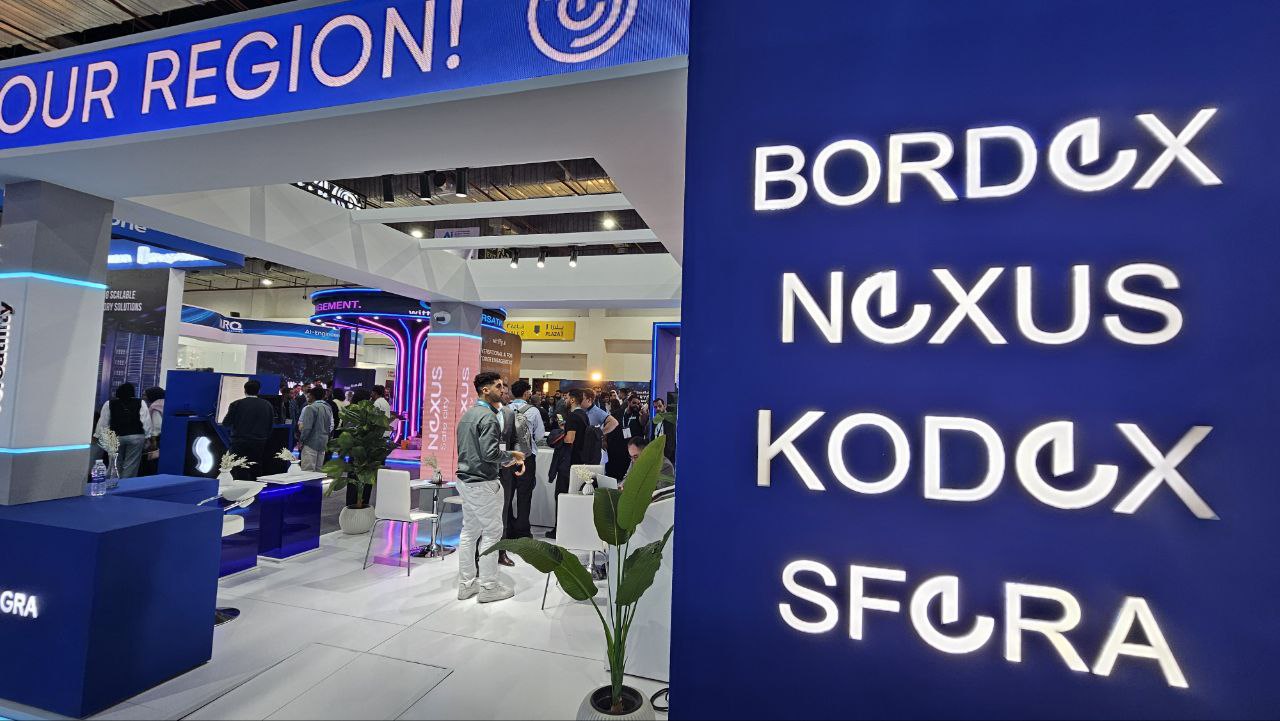
Integra City International Group joins GITEX Africa 2026 in Marrakech, the continent’s premier technology and startup event. The exhibition starts 7 April and brings together over 55,000 attendees, 1,500 global exhibitors, and 700+ speakers, offering a unique platform to explore Africa’s role in the global AI economy.
At the event, Integra City will showcase a unique platform consolidating data from various urban systems into a single center for AI-co-piloted analysis and management, providing synchronized operation of all services. Its open architecture enables integration of any existing solutions and devices without requiring their replacement, creating a scalable management ecosystem.
“Morocco is becoming an AI hub, attracting talent, companies, and innovation. AI adoption is growing across sectors, from government services to infrastructure, and Morocco, as one of the largest and most influential countries in the region, is following this trajectory.” Ilya Belyakov, CTO of Integra City.
At Integra platform AI serves as an analytical tool: it processes large volumes of data from sensors and monitoring systems, assesses risks, and assists in selecting optimal response scenarios. This approach enables orchestrating a variety of solutions, improving both the speed and quality of management.
• Sfera – digital urban environment management for utilities, lighting, traffic, and environmental monitoring.
• Nexus – AI-powered public safety and traffic enforcement, enabling automated vehicle monitoring and penalties in real time.
• Kodex – digital government administration for automating workflows, approvals, taxation, and citizen identification.
• Bordex – protection of critical infrastructure with AI monitoring and advanced analytics for real-time situational awareness.
The company’s AI solutions process large volumes of sensor and monitoring data, assess risks, and manage city operations efficiently.
“We expect AI to drive efficiency, innovation, and smarter decision-making across businesses and government institutions. In the near future, cities will be safer, operations more transparent, and public services more responsive – all powered by AI technologies. Africa has the potential to become a leading example of AI-driven transformation in the region.” Ilya Belyakov.
About the Company
• Integra City is an international vertically integrated holding specializing in the development and implementation of comprehensive hardware and software solutions.
• The holding brings together over 3,000 professionals and operates through offices in multiple countries worldwide.
• Integra City implements large-scale technological projects across a wide range of industries, ensuring high levels of reliability, security, and digital transformation.
• The Integra City universal ecosystem unites key areas of digital development: urban management, security, digital government administration, and protection of critical facilities.
• Key advantages of Integra Edge-AI approach presented at GITEX Morocco includes minimal latency through on-device data processing, strong data privacy, and optimized network efficiency by reducing the load on data transmission channels.
Turning Data into Decisions: How Integra City Uses AI to Manage Smart Cities
As governments and municipalities worldwide accelerate their digital transformation, artificial intelligence is becoming a cornerstone of modern urban management. From improving public safety and optimizing infrastructure to enabling faster, data-driven decision-making, AI technologies are reshaping how cities operate and respond to the needs of their citizens. This shift toward smarter governance has created new opportunities for technology companies developing integrated platforms that help authorities transform vast amounts of urban data into actionable intelligence.
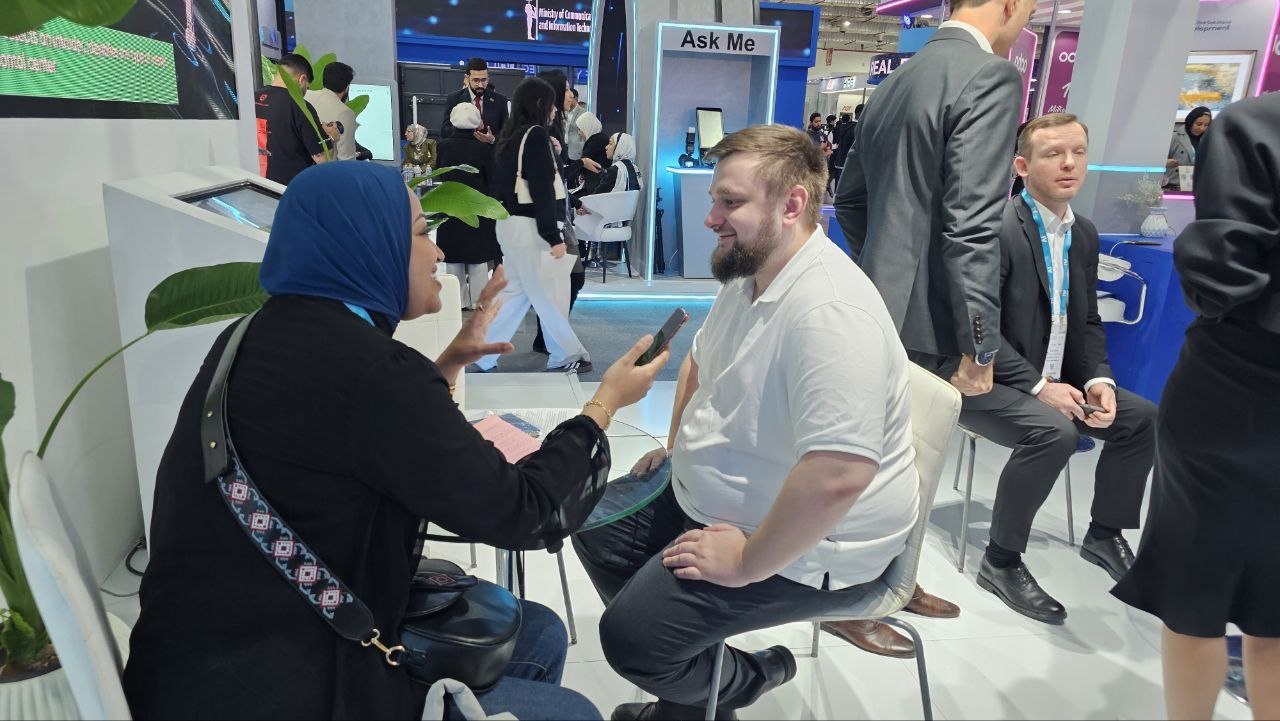
Integra City, headquartered in Dubai, specializes in transforming how cities and governments manage infrastructure, security, and public services through integrated digital platforms. Sharikat Mubasher interviewed Ilya Belyakov, Chief Technical Officer at Integra City, who shared insights about the company and its mission. In this interview, Belyakov discusses how artificial intelligence is reshaping Integra City’s core offerings, the development of AI‑enabled solutions for city and government leaders, and the company’s vision for expansion, including its exploration of opportunities in the Saudi market.
How is AI transforming your core business operations, products, or services?
AI has become an incredibly powerful tool across every aspect of our work. I remember a few years ago, when I was defending my PhD in Canada, we were only starting to explore the first versions of AI. Back then, professors were skeptical, warning that students were relying too much on AI and that it would never work effectively. Look at today—AI has evolved dramatically. New versions of models like Gemini and ChatGPT provide deep insights and efficiency gains that were unimaginable just a few years ago.
At Integra City, AI is enhancing not just our software and hardware development but also our research and operational processes. Even though many AI tools aren’t yet fully secure for sensitive work, we find creative ways to integrate them to accelerate development and innovation. Some people say AI is a bubble, but I think technology always progresses. AI isn’t just a trend—it’s becoming foundational to how we operate.
What recent AI innovations excite you most at Integra City?
Initially, our work focused heavily on computer vision. We developed our own cameras and smart imaging systems, collaborating with various hardware manufacturers to create tools that analyze and interpret visual data.
But now, with the rise of large language models (LLMs), we see new opportunities to enhance city and government management. These models can process vast amounts of data and provide actionable insights. For example, they can help decision-makers understand complex patterns in city operations, anticipate problems, and prioritize interventions more effectively.
At Integra City, we’re exploring AI tools that can inform not only city planning but also regional and national governance. It’s about giving leaders the intelligence to act proactively rather than reactively.
How do Integra City’s AI chatbots support officials in making proactive, data-driven decisions?
We designed our chatbots specifically for management teams within cities, not for public use. For example, imagine a police chief responsible for a district with high crime rates. Our chatbot can analyze data from surveillance systems, emergency response logs, officer performance, and technology deployments. Based on that, it provides actionable recommendations—maybe increasing patrols in certain areas, hiring additional staff, upgrading technology, or optimizing workflows.
This is all part of our flagship product, InCore. InCore integrates all aspects of smart and safe city operations into one ecosystem, allowing different departments and ministries to collaborate efficiently. It’s not just about collecting data—it’s about turning information into insights that decision-makers can use immediately to improve citizen safety, resource allocation, and overall city management.
Are you considering collaborations or partnerships in the Saudi market?
Saudi Arabia is a new market for us, so we’re currently exploring opportunities. While we haven’t operated there yet, we have extensive experience in dozens of countries, primarily in Eastern and Southern Africa, East Asia, and some Middle Eastern markets, with our headquarters in Dubai.
We hope to enter the Saudi market soon. Participation in industry events like GITEX would be a strategic way to introduce our solutions. Tentatively, we’re looking at the first quarter of next year—January through March—to start engaging with local partners and stakeholders for our entry into the Saudi Market.
Which sectors in Saudi Arabia do you think are most ready for AI transformation?
In most markets, we start with safety, and Saudi Arabia is no different. Safety is broad—it includes citizen safety, tourist safety, and data protection. It’s also connected to smart city initiatives, sustainable urban development, and improving the quality of life. AI can enhance public safety, optimize city operations, and even contribute to sustainable urban planning by analyzing traffic, energy consumption, and public services.
We see Saudi Arabia as a region ready to embrace AI in both governance and infrastructure, creating opportunities to deploy innovative, data-driven solutions at scale.
How does Integra City approach responsible and ethical AI deployment?
Responsible AI is critical, especially when working with governments. We strictly adhere to local regulations in every market we operate in. You can’t bring your own rules and expect a ministry or government body to adopt them.
Our solutions are adaptable. We design them to integrate seamlessly into existing government workflows and regulations. Governments are large, complex systems, and imposing a new framework without understanding local procedures can break the mechanism. So, we focus on fitting our tools into existing structures while maximizing efficiency and impact. Ethical deployment is about respecting local laws, procedures, and the operational realities of each city or country.
How do you envision AI shaping the broader business landscape in Saudi Arabia?
It’s a challenging question since Saudi Arabia is a new market for us. But looking at the broader Middle East, the region is becoming an AI hub, attracting talent, companies, and innovation. AI adoption is growing across sectors, from government services to infrastructure, and Saudi Arabia, as one of the largest and most influential countries in the region, is following this trajectory.
We expect AI to drive efficiency, innovation, and smarter decision-making across businesses and government institutions. In the near future, cities will be safer, operations more transparent, and public services more responsive—all powered by AI technologies. Saudi Arabia has the potential to become a leading example of AI-driven transformation in the region.
Check the original on Sharikat Mubasher website.
Interview with Al Nahar TV
Interview with CTO of IntegraCity for Al Nahar TV
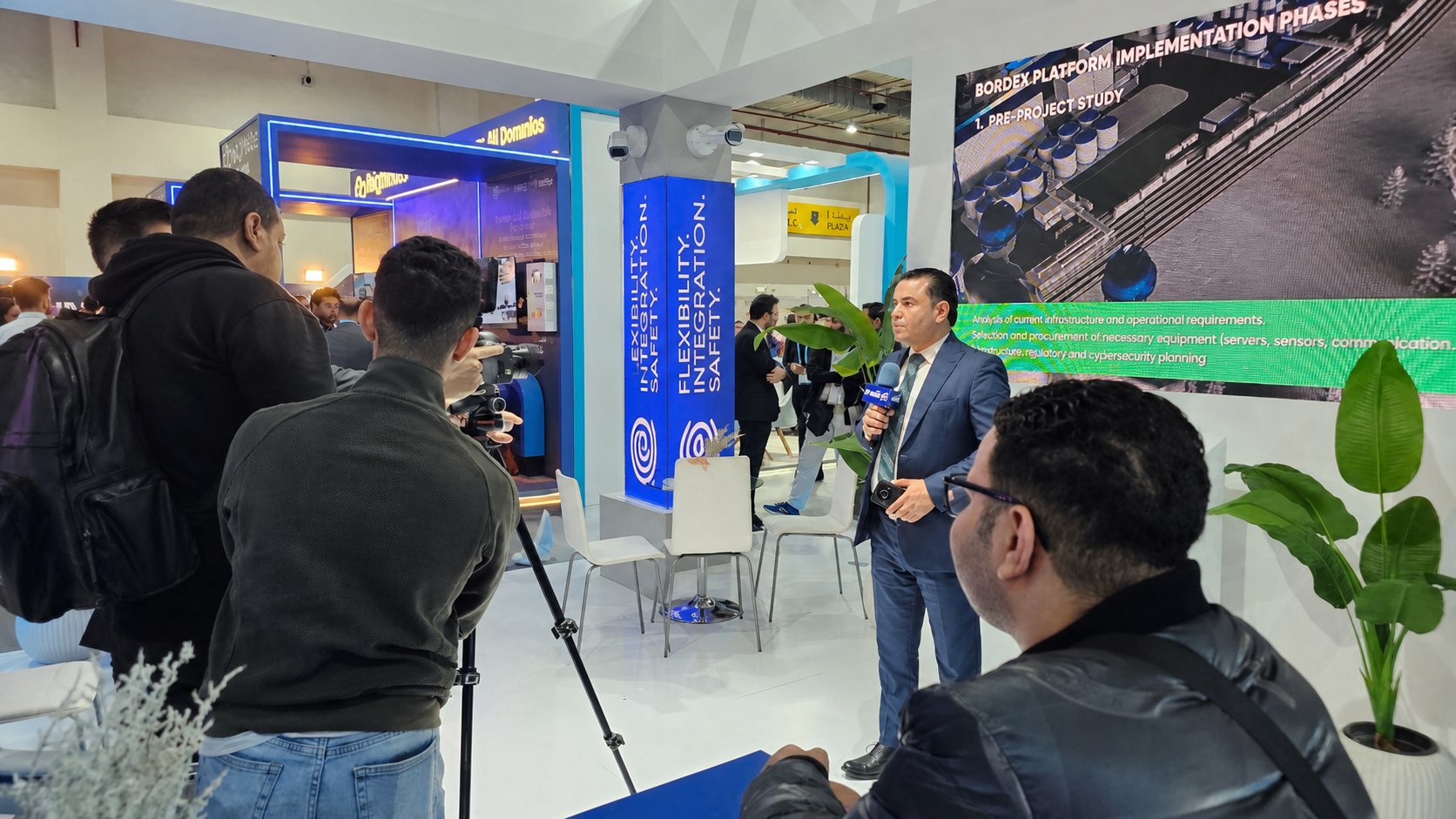
From the heart of AIEverything Egypt, an exclusive interview with Ilya Belyakov, CTO of IntegraCity, where he shared the company’s success story as a globally integrated leader delivering major projects in smart cities, cybersecurity, and digital government transformation.
During the discussion, he highlighted the latest Edge AI technologies, emphasizing that the Egyptian market represented a promising strategic opportunity and a key hub for technological growth in the region.
An ambitious vision and a digital future shaped in Egypt in the interview with CTO of IntegraCity for Al Nahar TV.
As Egypt moves from AI messaging to its large-scale implementation, Cairo is set to become a leading AI innovation and investment hub for Africa and the Middle East. On February 11, 2026, the Egypt capital hosts Ai Everything Middle East & Africa (MEA) Egypt, a major international platform bringing together global technology leaders, investors, and policymakers.
The event serves as a forum for exchanging expertise, showcasing advanced technologies, and fostering cross-sector collaboration. Participants include Fortune 500 companies, international financial institutions such as the World Bank, and global cybersecurity leaders. Among the key participants is Integra City International Group. Its universal integration platform combines a comprehensive set of solutions: Sfera for urban environment management, Nexus for safety and security, Kodex for digital government administration, and Bordex for the protection of critical facilities.
All elements operate within a unified architecture while retaining the ability to connect into a single framework for analysis and management of previously deployed third-party solutions. At the same time, the company provides a comprehensive implementation approach: from infrastructure construction to ongoing service support.
AI serves as an analytical tool: it processes large volumes of data from sensors and monitoring systems, assesses risks, and assists in selecting optimal response scenarios. This approach enables orchestrating a variety of solutions, improving both the speed and quality of management. The AI technology under Nexus solution deployed at the Uganda National Police Command Center by Integra monitors all vehicles from a bike to a heavy truck on the roads in Kampala. Uganda Republic capital. The AI connected to a wide network of cameras collects data in different weather and traffic conditions.
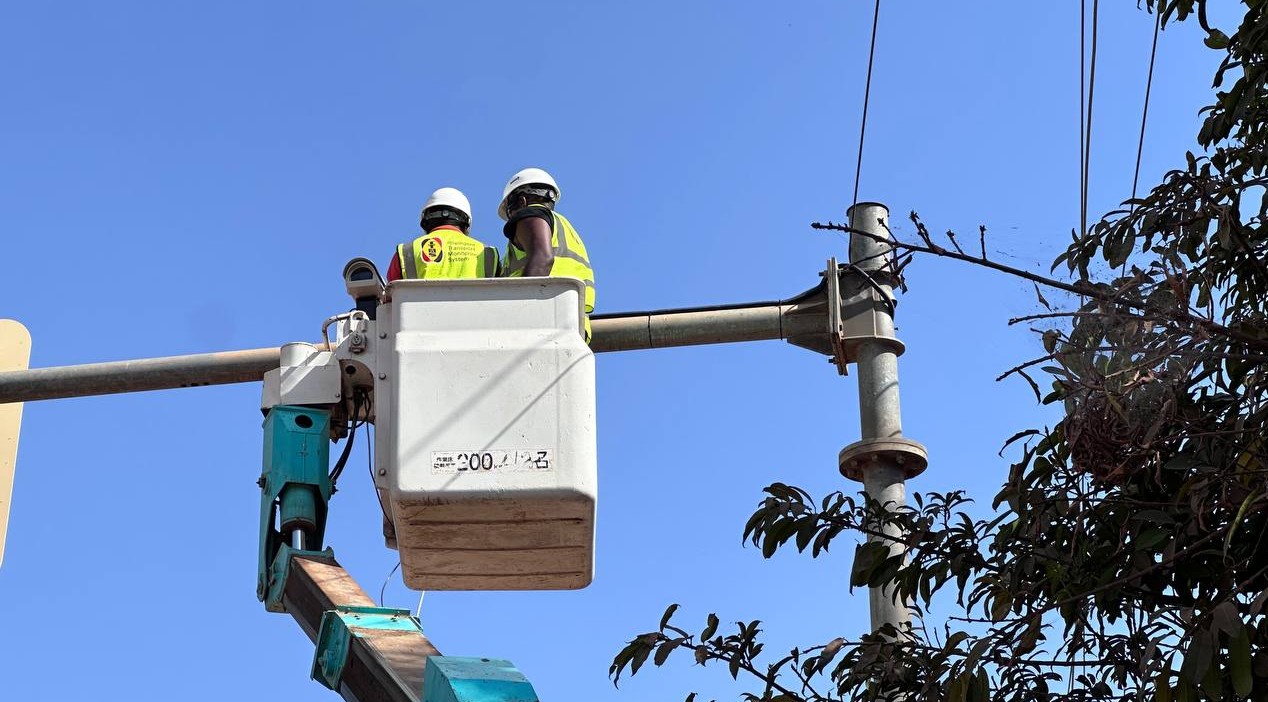
Photo: Due to advanced self-learning AI technology the percentage of vehicles with automated recognized numbers is striving to 97%.
The innovative architecture of the Nexus solution for smart road enforcement, leverages integrated AI to prevent traffic violations such as speeding. The system provides a fully automated enforcement cycle, from image capture to penalty issuance, completed within one minute.
The neural networks aggregate and analyze data on traffic violations in high-risk ‘black spots’ areas, classifies the types of offenses, and generates actionable insights, such as improving road environment or installing additional traffic signage. As a result, Nexus AI-driven solution has become a modeling and forecasting tool for the City of Kampala where the level of public responsibility has increased.
In Central Asian region Integra has implemented Bordex hardware-software solution designed to ensure perimeter security for high-security sites and critical infrastructure facilities. The system combines advanced AI-monitoring and data analytics, coordinating threat-response capabilities to provide a high level of situational awareness and protection. By relying on validated, data-driven insights, decision-makers can make confident strategic choices.
Along with Nexus and Bordex showcases visitors are introduced to flagship solutions — Sfera and Kodex, — which have already demonstrated proven effectiveness and are designed for adaptation across Egypt and major metropolitan centers such as Cairo, supporting sustainable development and improving the quality of urban environments.
- Sfera Platform is a solution aimed at the digitalization of the urban environment and improving accessibility for city residents. It enables monitoring, management, and control of urban infrastructure, including public utilities, lighting, road traffic, and environmental conditions.
- Kodex is a comprehensive platform for the digitalization of public services. It includes solutions for automating and optimizing document workflows, approvals, taxation and fee assessment, accounting processes, and the unification of national citizen identification systems.
“We see how artificial intelligence, sustainability, and digital inclusion are becoming the foundation of a new generation of cities — and our platform fully meets these requirements. Our AI-solution orchestrate the system that enables interagency government processes to operate effectively” — the company noted.
About the Company
- Integra City is an international vertically integrated holding specializing in the development and implementation of comprehensive hardware and software solutions.
- The holding brings together over 3,000 professionals and operates through offices in multiple countries worldwide.
- Integra City implements large-scale technological projects across a wide range of industries, ensuring high levels of reliability, security, and digital transformation.
- The Integra City universal ecosystem unites key areas of digital development: urban management, security, digital government administration, and protection of critical facilities.
- Key advantages of Integra Edge-AI approach presented at Everything MEA Egypt includes minimal latency through on-device data processing, strong data privacy, and optimized network efficiency by reducing the load on data transmission channels.